
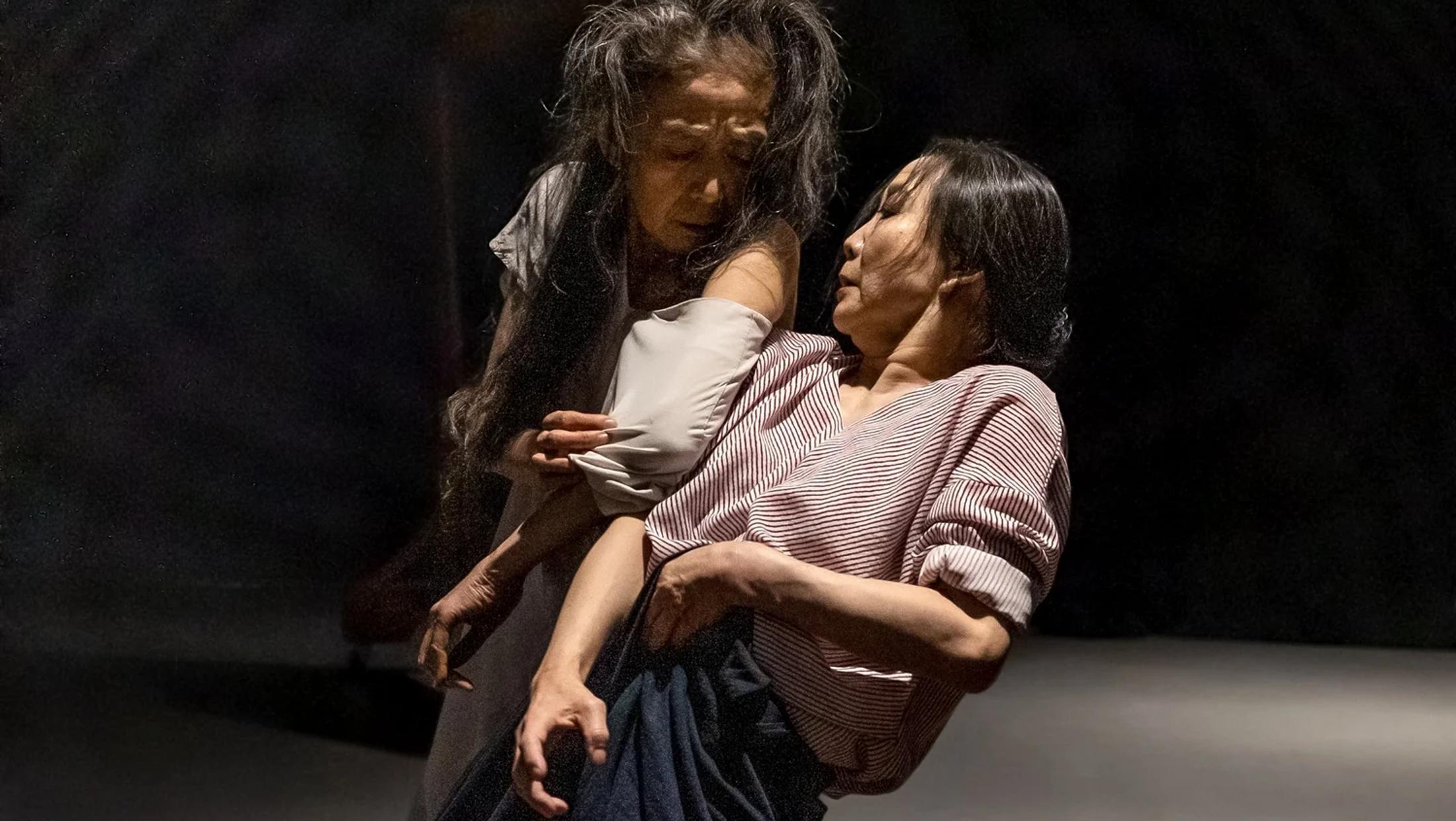
- IMPORTANT UPDATE
We regret to announce that due to unforeseen illness, Wen Hui will not be able to join us for the performance of What is War.
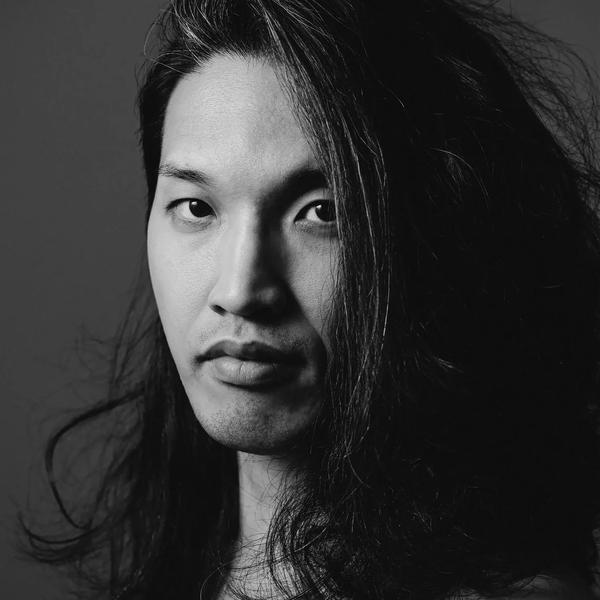
Eiko Otake will instead be joined onstage by Fumihiro Kikuchi, a local interdisciplinary artist who some of you may also know as our Stage Technician. He will support Eiko during key moments of the performance where solo movement simply isn't possible.
While we regret that this performance of What is War will be presented differently than originally intended, all of us at OtB are in agreement with Eiko and Wen Hui that the strength of the piece, its message, and its timeliness are all powerful reasons for the show to go on.
Eiko and Wen Hui send their heartfelt gratitude to everyone as these adjustments are made.
Thank you in advance for your patience and understanding as we navigate this emerging situation.
As ever, we’re grateful for your ongoing support, attendance, and dedication to On the Boards and the artists we support.
Sincerely,
The OtB Team
Dance luminaries Wen Hui and Eiko Otake create a complex tapestry of language, movement, and video to share their personal memories related to war.
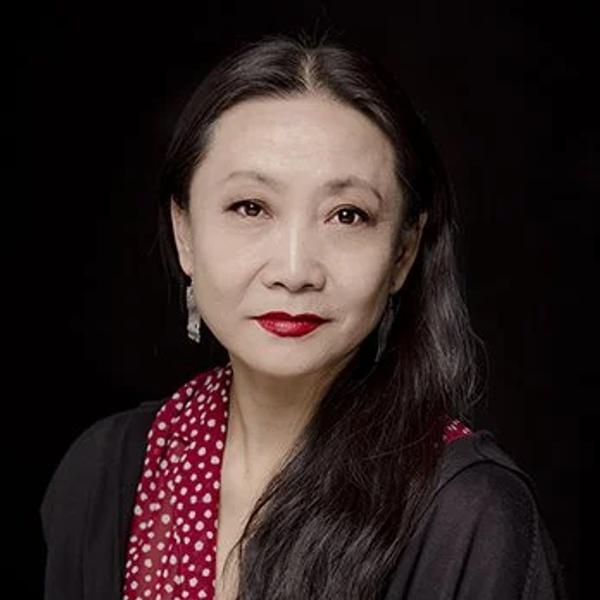
Wen Hui (b.1960) is Chinese and currently working in Europe. She grew up in China during the Cultural Revolution. Eiko Otake (b.1952) is Japanese and lives in New York. She grew up in post-war Japan. Both are female performers/choreographers, and filmmakers.
In January 2020, Eiko visited Wen Hui in China for a month. It was where the artists began examining the personal memories they hold in their bodies. The pandemic obliged the artists to continue their dialogue at a distance. The process of co-editing a feature-length documentary film, No Rule Is Our Rule, that documented their time together in China, led them to work together physically in the U.S. to co-create this new performance work. During creative residencies at Duke University, Colorado College, and Mass MOCA, the collaborators also uncovered and learned new knowledge about war that continues to affect them deeply.
In this project, Wen Hui and Eiko Otake create a complex tapestry of language, movement, and video to share their personal memories related to war. As they move together, their bodies intimately support and absorb each other’s stories, inviting the audience to consider their own relationship to war on both a historic and personal scale.
- About the Collaboration
We met in 1995 when we both performed and saw each other’s work at the Guangdong International Experimental Theater Festival. We got to know each other better in 1997 and ’98, when Wen Hui spent a year in the U.S. on an Asian Cultural Council fellowship.
In 2020, Eiko had a month-long fellowship to be with Wen Hui in China. We spent every day together and learned about our families’ histories relating to the Second Sino-Japanese War (1937–1945), a part of World War ll.
When Wen Hui’s planned visit to New York had to be cancelled due to the pandemic, we met weekly on Zoom, looking at the footage we filmed in China. With Yiru Chen, we co-edited the documentary film No Rule Is Our Rule. This process built the foundation for creating this performance work during residencies in the U.S. earlier this year.
— Wen Hui and Eiko Otake
* ### On the Japanese Constitution
The current constitution of Japan was drafted by American civilian officials during the occupation of Japan after World War II. It was adopted on November 3, 1946, and came into effect on May 3, 1947. Not a single word has been changed since.
Article 9 states:
“Aspiring sincerely to an international peace based on justice and order, the Japanese people forever renounce war as a sovereign right of the nation and the threat or use of force as means of settling international disputes. In order to accomplish the aim of the preceding paragraph, land, sea, and air forces, as well as other war potential, will never be maintained. The right of belligerency of the state will not be recognized.”
Everyone who taught me about World War II is now dead, but I remember their voices. Article 9 is in my body.
— Eiko Otake
* ### Wen Hui’s Letter on January 27, 2025
Dear Eriko Ikeda!
When Eiko visited me in Beijing, she said she wanted to go to the Nanjing Massacre Museum, which surprised me because, though I was never there, I imagined it would be an uncomfortable place for a Japanese person. Her desire moved me and we went there together.
At the site of Lijixiang "Comfort Station” Eiko told me that you have been her friend since your highschool days and that you organized the Women's International War Crimes Tribunal on Japan’s Military Sexual Slavery. Eiko also showed me many DVDs you directed, produced, filmed, and edited. We watched them many times.
We realized, many people talk about war, but fewer people talk about the harm done to women in war. I want to share with the audience a story of the “comfort women” by including one interview from your documentary film. But if you don't think it's appropriate, we will not do it. Please advise us. As a Chinese woman, I understand how courageous they are in their old age to come out to state their stories and seek justice. I deeply respect them and your work.
I look forward to meeting you and your colleagues.
Wen Hui
For more information on “Comfort Houses” and “Comfort Women,” please refer to https://www.19371213.com.cn/en/lijixiang/introduction/ and Women’s Active Museum on War and Peace
Special Events
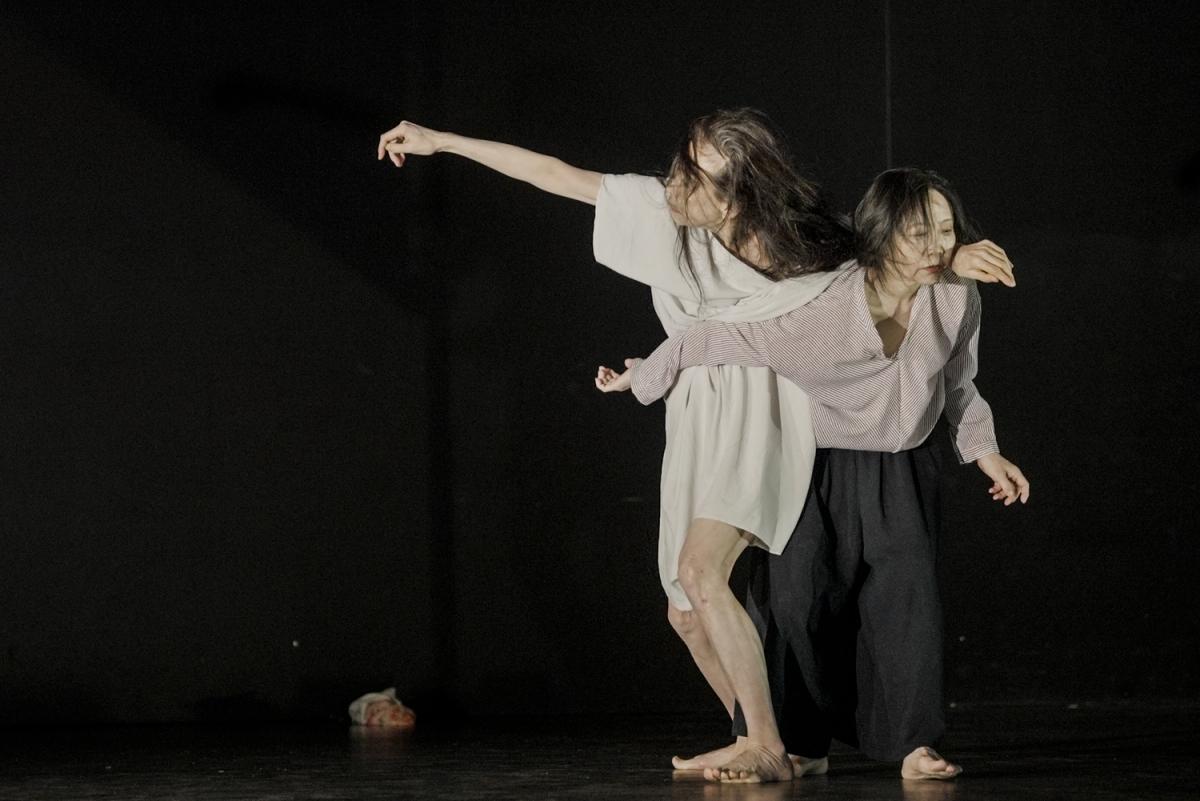
Workshop: Body as a Landscape, Body as an Archive
October 10 | 9:30 - 11:30am
Presented by Velocity Dance Center & Ballet Rituals in partnership with On the Boards
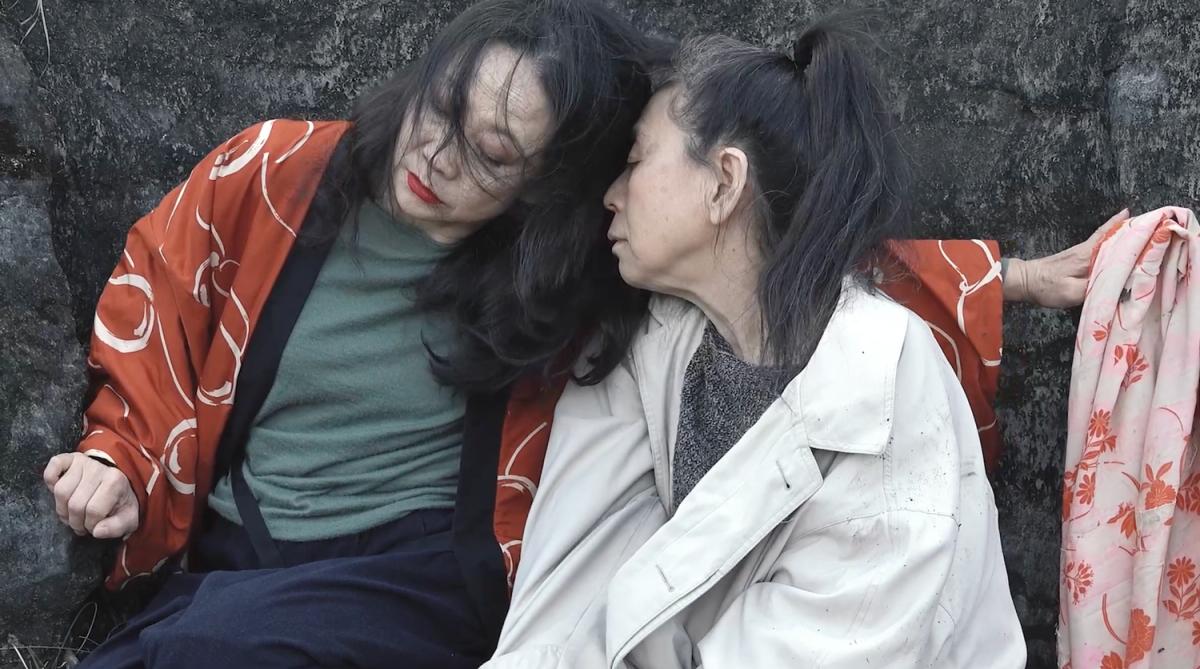
Free Screening: No Rule is Our Rule
October 11, 2025 | 4pm
Studio Theater | Free Screening
Composed from unscripted video diaries filmed in Beijing in 2020, this documentary traces the beginnings of Eiko Otake and Wen Hui’s artistic collaboration, laying the groundwork for What is War.
What Is War
October 9-11, 2025
Thursday, October 9 | 8pm¹
Friday, October 10 | 8pm²
Saturday, October 11 | 8pm
Special Events
Friday, October 10 | 9:30am – Workshop
Saturday, October 11 | 4pm – Screening
¹Covid Safe(r) Seating available
² Post-show Talkback with Yomi Braester
Photo Credit: Zhou Huiyin
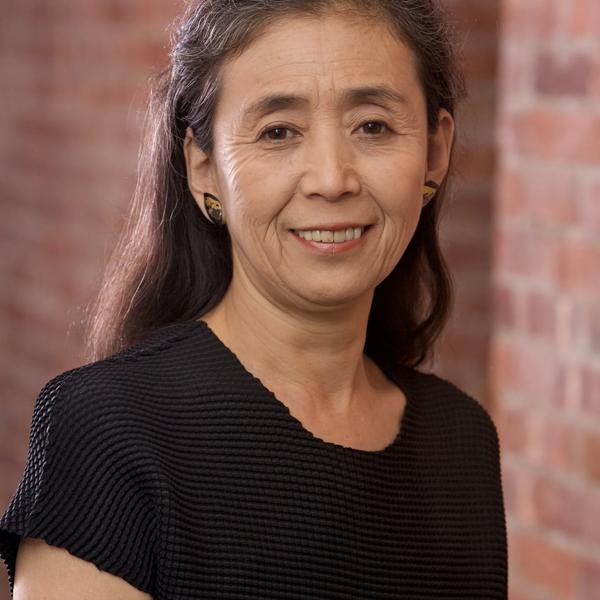
About the Artists
CREDITS
Eiko Otake & Wen Hui | Concept & Choreography, and Performance
Fumihiro Kikuchi | Performer
Iris McCloughan | Dramaturg
David A Ferri | Lighting Designer
Carina Rockart | Mirror Design
PRESS
What is War · Seattle Dances · Lou Chow · October 19, 2025
Wen Hui and Eiko Otake put pride, poise, and precision into What Is War“ · Northwest Asian Weekly · Andrew Hamlin · October 10, 2025
Performance piece by artists Eiko Otake and Wen Hui questions why humanity still fights wars · International Examiner · Roxanne Ray · October 7, 2025
Stranger Suggests: One Really Great Thing to Do Every Day of the Week · The Stranger · Julianne Bell · October 6, 2025
October Theater Includes Shrews, Foxes, Attics, And…MURDER!!!! · Seattle Gay Scene · Miryam Gordon · October 5, 2025
October Theater Offers Mystery, Monsters, and World Premieres · Miryam Gordon · October 4, 2025
Art x NW: Finding respite from the darkness in Seattle arts spaces · Cascade PBS · Brangien Davis · October 2, 2025
October Things to Do: Performance · The Stranger · Julianne Bell · October 1, 2025
Autumn Arts: Dance“ · Seattle Magazine · Rachel Gallaher · September 11, 2025
9 Seattle dance performances in fall 2025 you don’t want to miss · The Seattle Times · Angela Lim · September 8, 2025
A Memory and an Omen · LA Dance Chronicle · Jeff Slayton · April 19, 2025
War on the Body · Fjord Review · Victoria Looseleaf · April 17, 2025
Every War Belongs to You: Wen Hui on What is War · Walker Arts Magazine · Rachel Cooper · April 11, 2025
We All Have War in Our Bodies: Eiko Otake on What is War · Walker Arts Magazine · Rachel Cooper · April 11, 2025
Eiko Otake and Wen Hui on What is War · Walker Arts Magazine · Rachel Cooper · April 11, 2025
An Antidote To Trumpian Hate · John Killacky · February 7, 2025